

What Happens When Someone is Avoiding a Process Server?
It is a common scenario in the legal world: you need to serve legal documents to an individual, but they know it’s coming and decide to play hide-and-seek. Whether it’s a summons, a subpoena, or family court documents, dealing with an evasive respondent who is intentionally avoiding a Process Server can be incredibly frustrating.
A Guide to Substituted Service in Australia
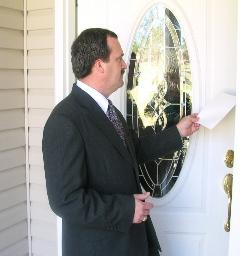
Many people mistakenly believe that if they simply refuse to open the door, avoid answering their phone, or refuse to physically touch the documents, the legal proceedings against them will magically disappear.
Fortunately, the Australian legal system doesn’t let people off the hook that easily. Here is what happens when someone is avoiding a process server, being served, and how a professional process server ensures the law catches up with them.
The Myth of “Not Touching the Paper”
A popular misconception (often fuelled by television and movies) is that a process server must physically place the document into the recipient’s hands for it to be legally binding. In reality, if a process server has positively identified the individual, explained the nature of the documents, and left them in the person’s presence (even if they drop them at the person’s feet and walk away), the service is generally considered valid.
How Professional Process Servers Handle Evasion
When an individual is actively dodging service, you need a process server who is persistent, experienced, and flexible. Standard business hours rarely apply to someone who is hiding.
At Gotcha Process Serving Agency, we know that catching an evasive individual requires thinking outside the box. We attend properties at any time of the day or night to achieve the desired result at no additional charge. That means even out of standard hours, or on weekends and holidays. Our agents use the best techniques to maintain integrity and ensure effective outcomes, even in the most difficult or tricky circumstances.
What is Substituted Service?
But what happens if the person has completely vanished, or is locked behind a high-security gate and absolutely cannot be reached in person? This is where Substituted Service comes into play.
If traditional personal service fails despite genuine and repeated efforts, you can apply to the court for an order of substituted service. This allows the documents to be served in an alternative way that is likely to bring the matter to the respondent’s attention.
Depending on the court’s orders, substituted service might include:
- Mailing the documents to their last known address.
- Serving the documents to a relative or someone closely associated with the individual.
- In modern cases, even sending the documents via email or a direct message on social media.
The Importance of the Affidavit of Attempted Service
A court will not grant a substituted service order just because you ask for one. You must prove to the court that it is practically impossible to serve the person directly.
This is where your process server’s documentation becomes vital. At Gotcha, we provide ongoing, 24/7 communication and prepare comprehensive Affidavits of Attempted Service. This sworn document details every date, time, and method our agents used to try and locate the individual. This robust evidence is exactly what your lawyer needs to successfully apply for a substituted service order.
Don’t Let Evasive Tactics Stall Your Case
If you are dealing with someone who is actively avoiding legal documents, don’t leave it to chance. You need a highly skilled, reliable professional who operates Australia-wide and internationally.
At Gotcha, “We Get ’em. Anywhere. Any Time.”
If you need legal documents served reliably, fill out our contact form or call Ross directly on 0415 732 270 today. We act immediately—usually on the same day we receive your documents.


Leave a Reply